In the world of construction, excavation may feel like just the first step—but when done right, it’s the most critical one. Professional site excavation sets the foundation not only for your building’s structure but for its long-term performance, safety, and cost-efficiency. Whether you’re a property developer planning a major development, a municipality preparing infrastructure, or a homeowner building a dream home, choosing the right excavation team can make all the difference.
In this article, we’ll explore why expert excavation matters, the stages involved, risks of poor excavation, and what to look for in a contractor. We’ll also provide practical tips you can apply to your next project.
Why Site Excavation Matters in Building Construction
Site excavation isn’t just about digging a hole—it’s about creating a stable, well-prepared base for everything that goes on top. Here are some of the key reasons why expert excavation matters:
- Structural Integrity & Load-Bearing Capacity
Proper excavation ensures that the soil beneath the foundation is stable and compact. Without it, your building risks uneven settling, foundation cracks, and long-term structural issues. - Drainage & Water Management
One of the most common long-term threats to a building’s foundation is water. Good excavation includes grading the site to direct water away, and may incorporate drainage systems like French drains or sump pits. - Correct Depth & Alignment
Excavation must align precisely with engineering plans. Over-excavating or under-excavating can both lead to serious problems. - Soil Testing & Quality Control
Different soil types behave differently. Through soil analysis during excavation, contractors can identify unstable or unsuitable soil—and either stabilize it or exchange it for better material. - Utility Installation
Excavation is also where utilities (water, sewer, electrical) are installed. Precision is vital to avoid damaging existing underground lines. - Safety & Long-Term Risk Mitigation
Excavation, when handled poorly, can lead to safety hazards (e.g., cave-ins) and degrade long-term structural integrity.
The Stages of Expert Excavation
To achieve high-quality results, expert excavation should follow a structured process:
1. Site Assessment & Planning
- Soil Surveys and Testing: Before digging begins, soil testing helps assess load-bearing capacity, moisture content, and contaminants.
- Marking Utilities: Identifying the location of underground utilities ensures safe and accurate trenching.
- Permitting & Compliance: Excavation must conform to local building codes—including depth regulations and safety standards.
2. Clearing & Grading
3. Digging / Excavating
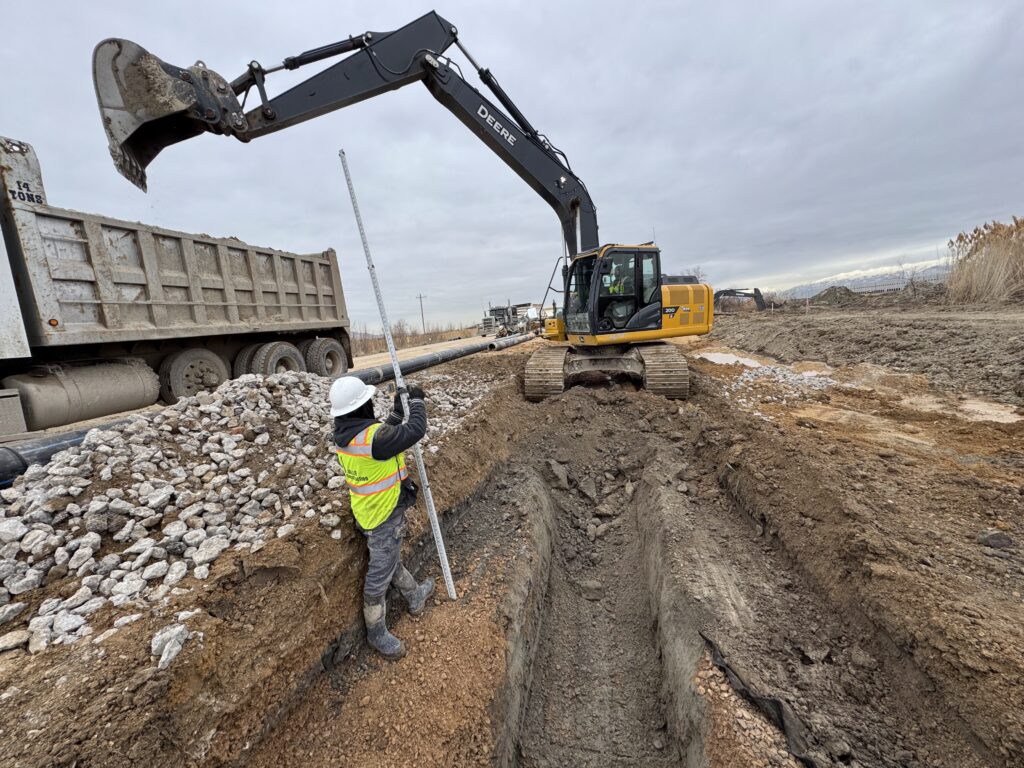
- Use heavy machinery (excavators, backhoes) to dig to the precise depth required by engineering plans.
- Create trenches for footings, basements, or utility lines—accurately and safely.
4. Soil Compaction & Stabilization
- Once the soil is excavated, the remaining base is compacted to eliminate air pockets and ensure load-bearing strength.
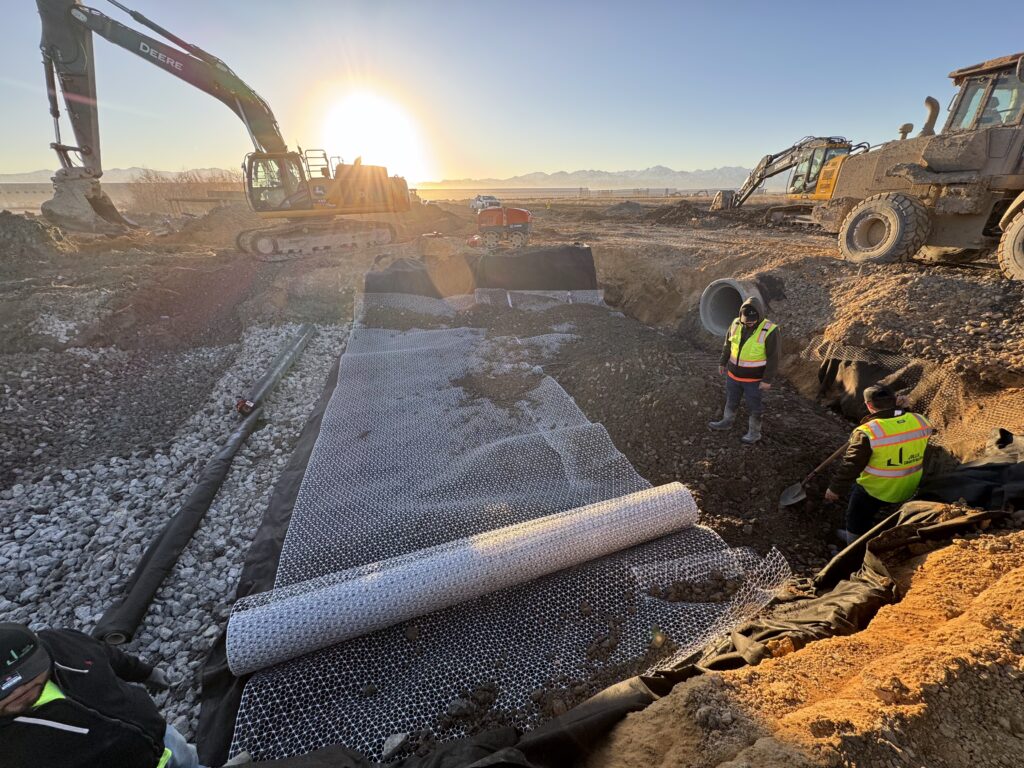
- If soil is weak or unstable, contractors may replace it with more stable material or apply reinforcement techniques.
5. Drainage Installation
- Experts often install drainage systems during excavation to prevent water from accumulating around the foundation.
- Proper grading also plays a key role in water management.
6. Safety Measures
- Competent persons should inspect the excavation site daily to identify risks.
- Proper shoring, sloping, or bracing may be required to prevent trench collapse.
7. Final Inspection & Handover for Construction
- After excavation, inspections are done to verify correct depth, compaction, and compliance with engineering requirements.
- Documentation is often required before the foundation is poured, ensuring all is correct before continuing.
Risks & Consequences of Poor Excavation
Failing to invest in expert excavation can lead to serious issues:
- Foundation Settling & Cracking: If the soil is not compacted properly, parts of the foundation may settle unevenly, leading to structural damage.
- Water Damage: Poor drainage can result in water pooling, which can weaken the foundation, cause mold, or erode soil.
- Regulatory Problems: Excavation that doesn’t follow code or doesn’t consider utilities can lead to violations or dangerous situations.
- Safety Hazards: Unstable trenches can collapse, putting workers and nearby structures at risk.
- Long-Term Costs: Issues from poor excavation may not show up immediately, but fixing them later (e.g., underpinning) can be very expensive.
Why Choose Jollie Construction for Expert Site Excavation
At Jollie Construction, we understand that excavation isn’t a generic “dig-and-go” operation. It’s a foundational process that demands precision, engineering insight, and safety-first execution. Here’s how we stand out:
- Decades of Experience: Our team has deep expertise working on complex projects — residential builds, infrastructure for municipalities, and large-scale commercial developments.
- Advanced Equipment: We use modern excavation machinery combined with surveying tools to ensure accuracy.
- Soil Expertise: We coordinate soil testing and compaction to make sure your foundation rests on solid ground.
- Safety Protocols: We adhere to rigorous safety standards, including daily inspections and proper shoring or bracing where needed.
- Comprehensive Service: We don’t just dig — we grade, install drainage, and prepare the site for utilities, working in harmony with other trades.
- Local Knowledge: Serving [your regions / cities], we know the local soil types, code requirements, and environmental conditions — which helps streamline the excavation process.
Practical Advice for Property Developers, Municipalities & Homeowners
Whether you’re managing a large development or building your own home, here are some actionable tips:
- Engage Early: Include excavation experts in your project team from the very beginning — during planning and design.
- Commission Soil Tests: Ask for geotechnical reports — they reveal critical soil properties that affect foundation design.
- Prioritize Drainage: Ensure your excavation plan includes slope design and water management solutions.
- Verify Contractor Credentials: Check that your excavator has experience, proper insurance, and a safety record.
- Inspect Before Pouring: Request inspection and sign-off on excavation work before your contractor pours concrete.
- Plan for Utilities: Coordinate with your utility engineers so that trenches are dug in the right place and to the right depth.
Key Takeaways
- Expert site excavation is a critical foundation step in construction — it underpins the structure, drainage, and utilities.
- Mistakes in excavation can cause settling, water damage, safety risks, and regulatory issues.
- A professional excavation contractor, like Jollie Construction, brings experience, precision, and safety-first practices.
- For property developers, municipalities, and homeowners, investing in quality excavation early can save time, money, and headaches down the road.
- Proper planning, soil testing, and coordination with other trades are essential for a smooth, high-quality build.
If you’re ready to set your building project on rock-solid ground, reach out to Jollie Construction. We’d be happy to discuss your excavation needs, provide a quote, or walk you through our process. Contact us via our contact page — and let’s dig into your next project (in the best way).